Geriatric Doctors: How Seniors with Dementia Benefit From A Specialist

Getting your older adult to the doctor’s clinic for an appointment can be challenging or sometimes impossible. Whether they’re fragile, can’t walk on their own, or have dementia, getting out of the house is difficult for both of you. Going to a doctor’s clinic can also expose seniors to viruses or harsh weather.
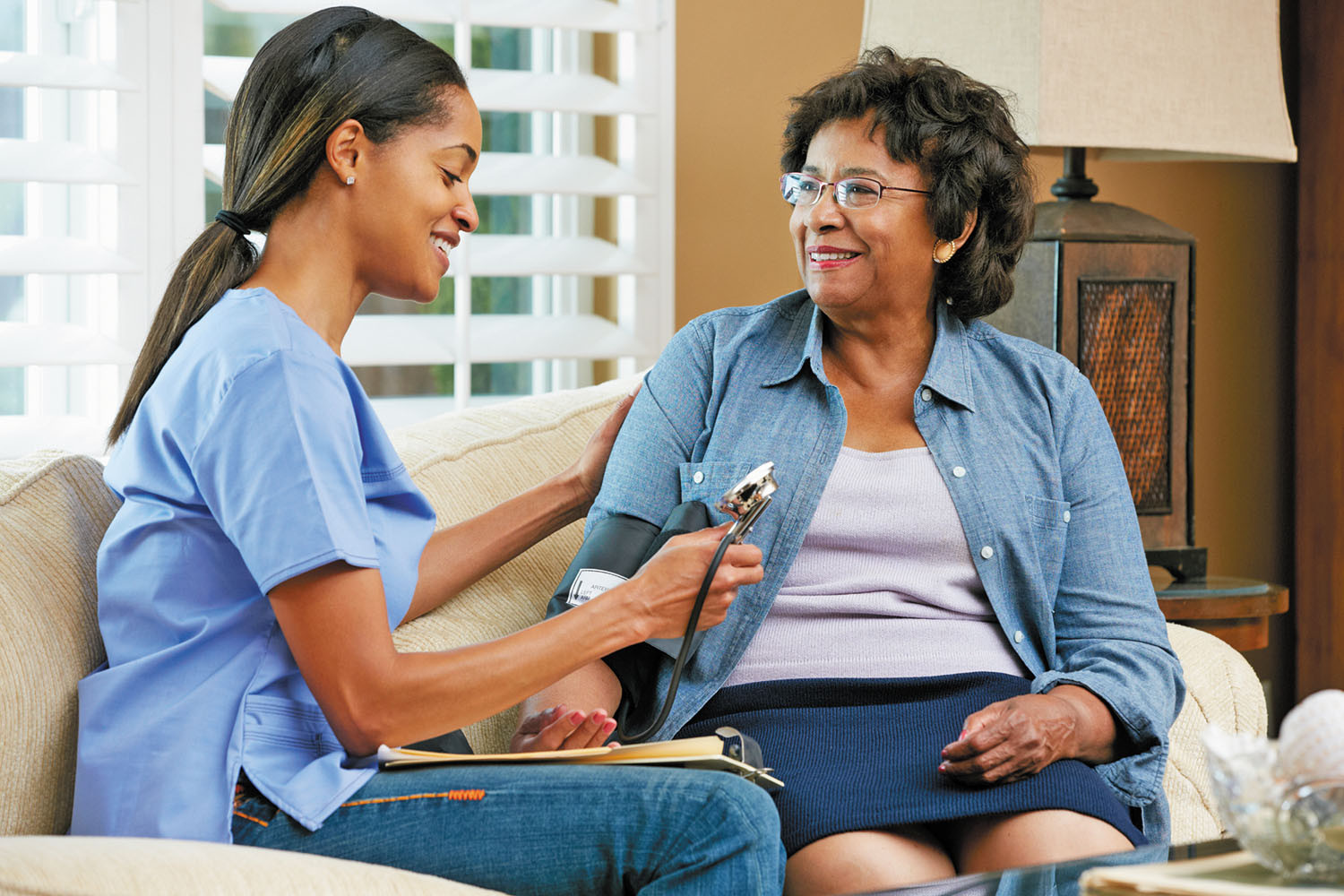
Today, many doctors are bringing back the old tradition of visiting patients in their homes. With a house call, older adults don’t have to go through the stress and hassle of getting to the doctor’s clinic. And neither do you. Another reward is that these doctors usually spend more time with patients.
Dementia is a progressive disorder; that indicates that it gets worse with time. It is a deterioration in overall intellectual capacity that interferes with the person’s ability to perform in social and occupational roles. Treatments for one issue can easily influence other aspects of their health and worsen their overall quality of life. Managing these complex health situations is where geriatric doctors can be beneficial.
What is a Geriatric Doctor?
A geriatric doctor is someone who trains in caring for people 65 and older. They’re also introduced as geriatricians. They’re internal or family medicine doctors who have an extra 1 or 2 years of training in regions related to eldercare. The additional training gives them more experience with arthritis, heart disease, mobility issues, osteoporosis, Alzheimer’s, and dementia care. Geriatricians can be primary care doctors, give consultations, or work as part of an older adult’s medical unit.
Geriatricians can work as a point of contact on a team of healthcare providers, keeping records of complex drug interactions and prioritizing treatments for people dealing with various conditions.
Foster Healthy Aging
Aging has unique physical, emotional, cognitive, and social challenges. Geriatric doctors educate people about staying active, healthy, and connected and managing transitions in their family life, work-life, and living conditions.
They may also be able to help you resist negative stereotypes about aging that could affect your overall health. Studies have revealed that when patients and healthcare providers have negative ideas about aging, it can translate into worse health consequences for patients.
What Does a Geriatric Doctor Do, and How Do Seniors Benefit?
1. Pay More Attention to the Quality of Life and Patient Goals
Geriatric doctors focus on the quality of life and what patients want from their medical care.
They spend more time at each appointment and collect more data than an internal medicine doctor would.
They ask about lifestyle, family, community and get your older adult’s complete medical history.
Geriatric doctors also focus on helping seniors and families:
Figure out their preferences for healthcare
Review and manage all medications
Create care plans
Coordinate care with other health providers
Provide palliative and end-of-life care
In addition, knowing about the differences between middle-aged bodies vs. older bodies helps geriatricians choose geriatric medicine and treatments that work better for elders.
2. Understand Issues that Commonly Affect Seniors
Most primary care doctors don’t spend enough time finding out about and solving older adults' issues. Falls, muscle weakness, incontinence, fatigue, frailty, cognitive impairment, and delirium significantly impact the quality of life. Geriatricians are experts at these “geriatric syndromes.”
So, If you’re losing weight, you can’t climb a flight of stairs, you’re falling, you’re tired all the time, you’re unhappy and you’re on several medications, go and visit Geriatric doctors.
Comments
Post a Comment